
Seminole County Probate Court Records
Seminole County Probate Court is the local venue for probate records in Donalsonville. The official county Probate Court page describes probate as the court process for administering a deceased person's estate, resolving claims, and distributing property under a valid will or, when there is no will, under Georgia intestacy rules. The same office also maintains probate records and minutes of proceedings, so older estate papers and active probate filings route to the Probate Court office rather than to a general statewide search screen.
The court's local duties are broader than estates. Seminole County lists marriage licenses, certified copies of marriage licenses, firearms permits, fireworks-display permits, certain public-office bonds and oaths, warrants, commitment hearings, road-obstruction cases, traffic cases, game cases, and fish-violation cases among Probate Court functions. That range matters because a visitor asking for a probate record may need a will file, while another person may need a marriage copy, a commitment-hearing record, or a traffic disposition from the same court office.
The Georgia Public Defender Council Pataula Judicial Circuit entry is one assigned source for the Seminole probate-records page because it shows how circuit-level legal services sit outside the Probate Court counter.
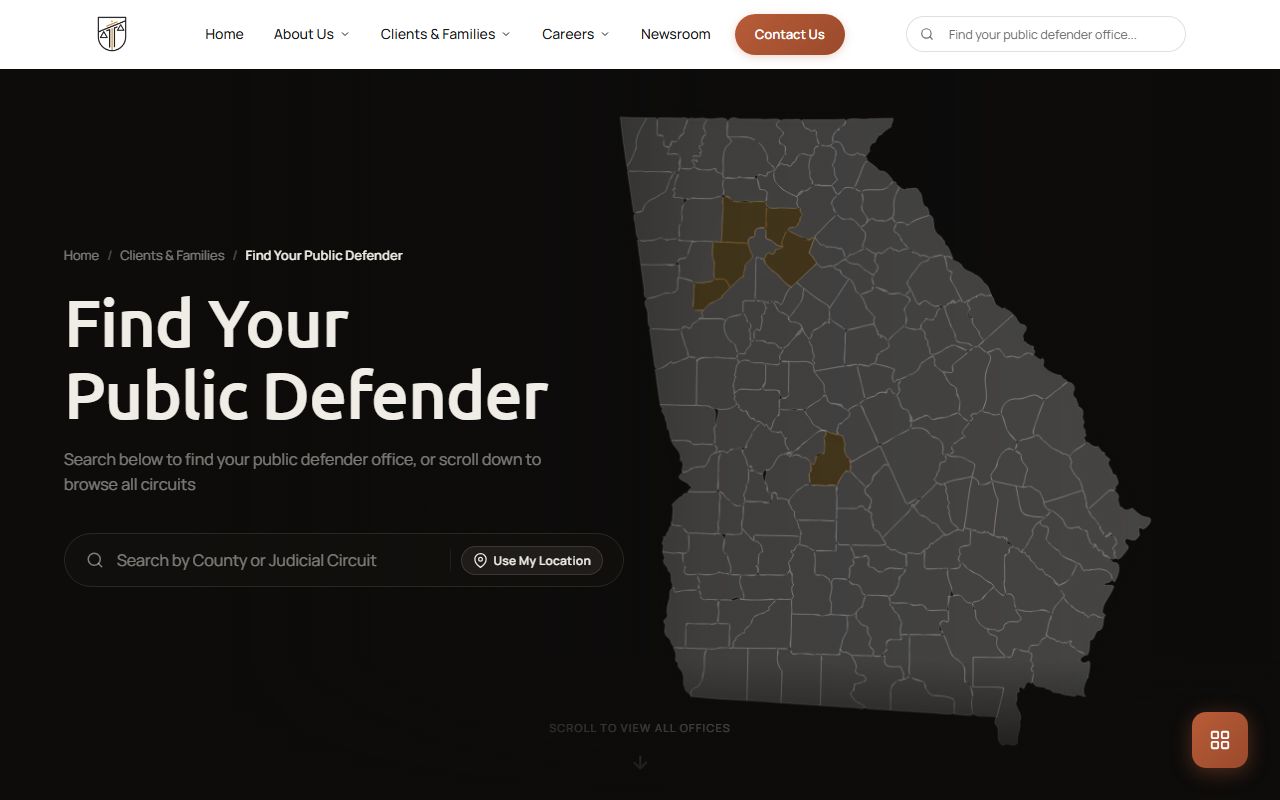
The screenshot is not a probate filing portal. It helps separate Probate Court records from criminal defense services that may become relevant when a commitment, warrant, or traffic matter crosses into a different court process.
Seminole County Probate Contact
Judge Michael Jon Rogerson is listed by Seminole County as the Probate Court judge. The Probate Court uses the courthouse address on South Knox Avenue and the same phone number as the Magistrate Court office. The county page publishes weekday business hours, but it does not publish online probate-search fields, downloadable local probate forms, or a local probate fee schedule. Calling before a visit is the safest way to confirm which counter can provide the requested record.
Seminole County Probate Court
Judge: Michael Jon Rogerson
200 S Knox Avenue
Donalsonville, GA 39845
Mailing: P.O. Box 684, Donalsonville, GA 39845
229-524-5256
Monday-Friday, 8:00 a.m. to 5:00 p.m.
The Probate Court contact card should be used for estate files, marriage-license certified copies, probate minutes, and questions about whether a probate-related record is open. Divorce files are different; Georgia directs divorce decrees to the Clerk of Superior Court in the county where the divorce was granted, so Seminole divorce files belong with the Seminole County Clerk of Superior Court.
Search Seminole County Probate Records
No official online Seminole County probate case-search portal was located in the research sources. The access channel is direct contact with Probate Court by phone, mail, or in person. A useful request starts with the decedent name or case number, but many older estate searches begin with a name and an approximate death year. For guardianship or conservatorship records, the request should identify whether the person is a party, guardian, conservator, attorney, heir, or other interested person, because access may not be open to the general public.
- Identify the probate record type: will, estate petition, letters testamentary, letters of administration, inventory, order, marriage-license copy, guardianship, conservatorship, or traffic/game/fish disposition.
- Call Seminole County Probate Court and ask whether the file is public, restricted, sealed, or available only to certain parties.
- Provide the name on the record, approximate filing or death year, case number if known, and the type of copy needed.
- Ask whether the court can provide a plain copy, certified copy, or only an in-person inspection.
- Confirm fees, payment method, mailing rules, and processing time before sending a written request.
Estate files may contain pleadings, notices, orders, inventories, accountings, bonds, letters, and distribution papers. A certified copy is the copy type commonly needed for banks, title work, insurance, or a later court filing because the court authenticates it as a true copy of the record.
Seminole County Probate Terms
Probate records use terms that can be hard to read if the request is based only on a family name or a death date. These definitions match the terms used in the research file and help distinguish estate papers from guardianship or conservatorship matters.
- Testator
- The person who made a will before death.
- Executor
- The person named in a will to carry out the will and administer the estate after Probate Court grants authority.
- Intestate
- Dying without a valid will, which can require administration under Georgia law.
- Guardianship
- A court case appointing someone to make personal decisions for a minor or incapacitated person.
- Conservatorship
- A court case appointing someone to manage property or finances for a person who cannot manage those assets alone.
Two other terms often appear in estate files. Letters testamentary show authority for an executor named in a will. Letters of administration show authority for an administrator when there is no valid will or no named executor able to serve.
Seminole County Probate Fees
The official Seminole County Probate Court page reviewed for the research did not publish local dollar amounts for estate filings, certified copies, marriage-license certified copies, or firearms permits. The fee table therefore uses missing-fee notes instead of guessed amounts. Confirm fees with Probate Court before mailing payment, especially when a certified copy is needed for a bank, title company, or another court.
| Probate item | Amount or note |
|---|---|
| Estate filing | Fee not located in official Seminole sources; call Probate Court at 229-524-5256. |
| Certified probate copy | Fee not located in official Seminole sources; ask whether per-page and certification charges apply. |
| Marriage-license certified copy | Seminole fee not located in official sources; Probate Court issues certified copies. |
| Firearms permit | Fee not located in official Seminole sources; confirm current amount and payment method before visiting. |
| Traffic, game, or fish violation record | Local case costs or copy fees were not published in the probate source reviewed. |
Note: Missing-fee entries are intentional because the official Seminole County probate sources reviewed did not publish those amounts.
What Seminole County Probate Records Show
A Seminole County probate record may show the decedent's name, filing date, will status, heirs, beneficiaries, personal representative, court orders, notices, inventories, bonds, and accountings. The exact file depends on whether the estate is testate, intestate, contested, or routine. Contested-will matters may include objections and authenticity issues. Missing heirs, minor interests, creditor disputes, or real-estate questions can add more court action before distribution.
| Record type | What it may show |
|---|---|
| Will or petition | Decedent name, petitioner, heirs or beneficiaries, requested authority, and probate relief sought. |
| Letters | Executor or administrator authority granted by the court. |
| Inventory or accounting | Estate assets, debts, receipts, expenses, and proposed distribution when required. |
| Guardianship or conservatorship | Appointment orders and authority, subject to privacy and access limits. |
| Marriage certified copy | Recorded license information after the ceremony has been returned and recorded. |
The Census QuickFacts source for Seminole County is assigned to this probate page and gives useful scale for local record access in a small county.
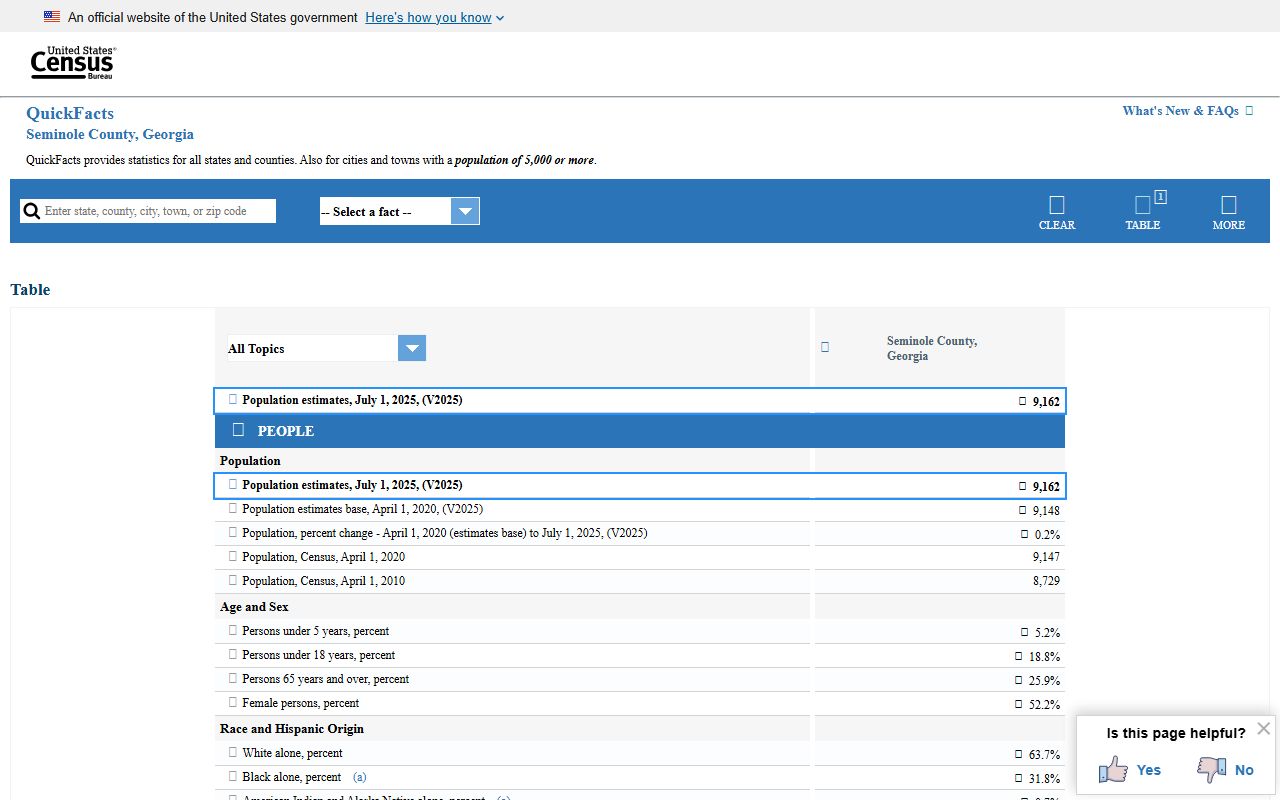
The county's small population helps explain why probate access is office-based. The official research did not locate a dedicated Seminole probate case portal, so a direct court request is still the documented route.
Restricted Seminole County Probate Records
Not every Probate Court file is open in the same way as an ordinary estate. Guardianship and conservatorship records may include medical, financial, minor-related, or incapacity information. Commitment-hearing records are sensitive and should not be treated as normal public lookup records. Adoption records are sealed under Georgia law unless a statute or court order allows access. Even open files may redact Social Security numbers, financial account numbers, minor names, protected addresses, and other private details.
For a sealed or restricted Seminole County Probate Court matter, the request should state the requester's relationship to the case and ask what authority is required. The court can explain whether party status, a signed release, a guardianship role, a court order, or another procedure is needed before inspection or copying. If the file belongs with Superior Court instead, such as a divorce decree or a felony case, the request should move to the Clerk of Superior Court rather than Probate Court.